

Are There Safer Cigarettes?
No.
We all wish there were, but they're all harmful. Inhaling smoke from combusted tobacco is harmful.
We ask because we want to keep smoking, but we fear the risk of crippling lung disease and cancer. It's the classic wanting to have our cake and eat it too.
But the search for a safer cigarette has turned up empty.
When it comes to combustible cigarettes, suggestions that some are safer than others have largely been marketing, not truth.
Remember the filters? The ads showing the ugly brown stains caught in the filter instead of entering your lungs?
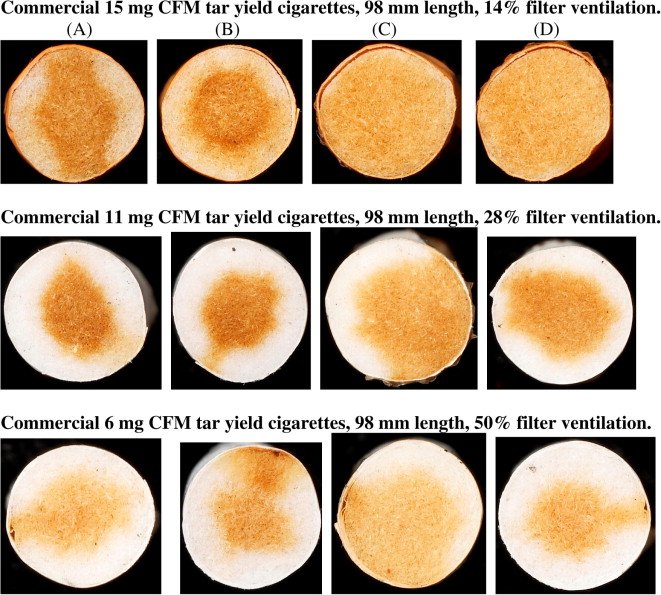
Sadly, filters didn't eliminate the health risks of smoking. Then cigarettes came in "light," "low-tar," and "mild." They were designed to deliver lower levels of tar and nicotine when tested by smoking machines.
But people aren't smoking machines.
In real life, smokers often compensated by taking deeper, longer or more frequent puffs, or by smoking more cigarettes, to get the nicotine they were used to. The result was that the apparent advantage largely disappeared.
Adding flavorings and menthol didn't make cigarettes safe either. Menthol makes cigarette smoke feel cooler, smoother and easier to inhale. In other words, it can make it easier and more pleasant to keep inhaling toxins into our lungs.
So sadly, the quest for a safer cigarette has been a quest for the Holy Grail.
But if you've gotten this far, you should also know the best thing you can do: Quit.
Cigarette smoking remains the leading preventable cause of disease, disability and death in the United States. Quitting smoking is still one of the single best things you can do to improve your health.
Just realize a few things:
Quitting smoking is hard, but it's doable. So be nice to yourself.
We keep smoking because nicotine is addictive.
When you quit, you'll experience nicotine cravings and withdrawal. They're often worst during the first few days and then improve in a month. That's part of what makes quitting hard.
Don't try to do it alone. Friends, family, your doctor, quit-smoking programs and medications can all help.
Food starts tasting better surprisingly quickly. Your senses of taste and smell can begin improving within just a few days of quitting.
Your wallet gets fatter. A pack-a-day habit costs roughly $70 a week. Two packs a day costs about $140 a week. That's approximately $3,640 to $7,280 saved every year.
There may not be a safer cigarette.
But there is a safer choice.